
Neuroma Treatment In Franklin, Milford & South Dennis, MA | Woonsocket & Burrillville, RI
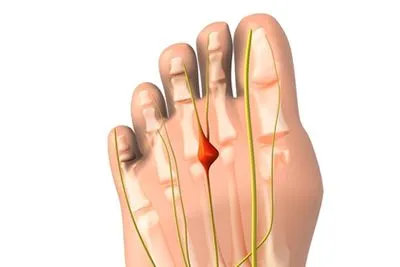
Neuroma, often referred to as Morton’s neuroma when it occurs between the third and fourth toes, is a potentially painful condition that affects the nerves in the foot. It is characterized by the thickening of the tissue surrounding a nerve, leading to discomfort, tingling, and, sometimes, sharp pain. Your podiatry team at Franklin Foot Care, with locations in Franklin and Milford, Massachusetts, as well as Woonsocket and Burrillville, Rhode Island, and at Dennis Foot Care in South Dennis, Massachusetts, know how much neuromas can affect your daily life and will work hard to help you find relief.
Causes of Neuroma
Neuromas typically develop as a result of repetitive stress or irritation to the nerves in the foot. This can occur due to factors including wearing tight or ill-fitting shoes, high-impact activities, or foot deformities such as bunions or flat feet. People who participate in activities that put excessive pressure on the forefoot, such as running or aerobics, may also be at a higher risk of developing neuromas.
The condition is more common in women, partially due to the prevalence of high-heeled shoes that can compress the toes and contribute to nerve irritation. Understanding the causes of neuroma is essential for prevention.
Symptoms of Neuroma
The symptoms of a neuroma vary from person to person but often include a sharp, burning pain in the ball of the foot, particularly between the toes. Patients may also experience tingling or numbness in the toes, a feeling like having a pebble in their shoe, or a lump under the foot. Pain typically worsens with activity or when wearing tight shoes. If you are experiencing any of these symptoms, it’s important to consult with a podiatrist for a proper diagnosis.
Diagnosis and Treatment Options
When you visit Franklin Foot Care and Dennis Foot Care in Franklin, Milford, or Dennis, Massachusetts, or Woonsocket or Burrillville, Rhode Island, our experienced podiatrists will conduct a thorough examination to diagnose a neuroma. This may include a physical assessment of your foot, a review of your medical history, and imaging tests such as X-rays or ultrasound to rule out other conditions.
Once diagnosed, treatments for neuromas may include conservative measures such as footwear modifications, which involve switching to shoes with a wider toe box and better arch support to alleviate pressure on the affected nerve. Custom orthotic devices can provide additional support and cushioning, helping to redistribute pressure away from the neuroma. Physical therapy, meaning specialized exercises and stretches to improve foot mechanics, may also be recommended. In some cases, corticosteroid injections are used to reduce inflammation and relieve pain.
If conservative treatments do not provide relief, surgical options may be considered. Surgery involves removing the affected nerve or releasing the pressure on it.
Prevention Strategies
Preventing neuromas involves making conscious choices about footwear and foot care. It is important to choose shoes that fit properly and provide adequate support, avoiding high heels and narrow-toed shoes that can compress the toes. Making foot exercises part of your routine can also help strengthen foot muscles and improve flexibility. If you participate in high-impact activities, consider using cushioned insoles or orthotics to provide additional support.