How a Podiatrist Treats Thick or Recurrent Calluses
- posted: Mar. 27, 2026
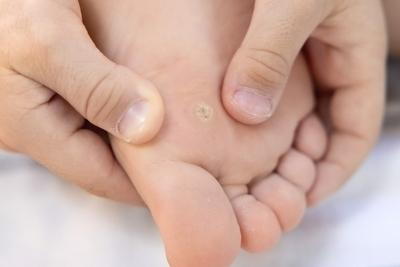
At Franklin Foot Care in Franklin, MA, Milford, MA, Dennis, MA, and Woonsocket and Burrillville, RI, we treat patients who struggle with thick, painful, or recurring calluses that keep coming back despite home care. Calluses may seem minor at first, but they often signal ongoing friction, pressure, or a mechanical problem in the way the foot functions. When they become too thick or keep returning in the same area, professional evaluation matters.
Why Calluses Keep Coming Back
Calluses develop as the skin’s response to repeated pressure or irritation. On the feet, that pressure often comes from shoes that rub, hard surfaces, long hours standing, or structural issues that place too much force on one part of the foot. High heels, narrow shoes, and repetitive activity can all increase the risk. Some patients develop calluses because of the way they walk, while others deal with pressure points caused by bunions, hammertoes, or other foot shape changes.
What a Podiatrist Looks for
When we evaluate calluses, we do more than trim thickened skin. We look at where the callus forms, how often it returns, what your shoes are doing, and whether your foot structure is creating abnormal pressure. That matters because treatment works best when we address the cause instead of only the surface problem. A callus on the ball of the foot may point to pressure from gait mechanics, while one on a toe may suggest shoe friction or a deformity that changes contact with the shoe.
How We Treat Thick or Painful Calluses
One common treatment is debridement, which means carefully removing the built-up, hardened skin with specialized instruments in the office. This can provide immediate relief when calluses have become uncomfortable or are pressing into deeper tissue. We may also recommend footwear changes to reduce repeated rubbing and pressure. Shoes with better support, cushioning, and fit often play a major role in preventing thick calluses from returning.
If we find that foot structure is contributing to the problem, we may recommend custom orthotics. Orthotics can help redistribute pressure more evenly across the foot and reduce the stress that keeps producing calluses in the same location.
Why Home Care Is Not Always Enough
Moisturizing and gentle skin care can help, but recurrent calluses usually need more than routine filing at home. If a callus becomes painful, cracks, changes color, or keeps returning, it deserves closer attention. Thick calluses can also hide deeper pressure problems that worsen over time if no one addresses them.
Get Help for Recurrent Calluses
At Franklin Foot Care in Franklin, MA, Milford, MA, Dennis, MA, and Woonsocket and Burrillville, RI, we provide personalized care for patients dealing with thick or recurrent calluses and the pressure problems behind them. Call 508-528-2525 to schedule an appointment and let us help you find relief that lasts.
- posted: Mar. 27, 2026
At Franklin Foot Care in Franklin, MA, Milford, MA, Dennis, MA, and Woonsocket and Burrillville, RI, we treat patients who struggle with thick, painful, or recurring calluses that keep coming back despite home care. Calluses may seem minor at first, but they often signal ongoing friction, pressure, or a mechanical problem in the way the foot functions. When they become too thick or keep returning in the same area, professional evaluation matters.
Why Calluses Keep Coming Back
Calluses develop as the skin’s response to repeated pressure or irritation. On the feet, that pressure often comes from shoes that rub, hard surfaces, long hours standing, or structural issues that place too much force on one part of the foot. High heels, narrow shoes, and repetitive activity can all increase the risk. Some patients develop calluses because of the way they walk, while others deal with pressure points caused by bunions, hammertoes, or other foot shape changes.
What a Podiatrist Looks for
When we evaluate calluses, we do more than trim thickened skin. We look at where the callus forms, how often it returns, what your shoes are doing, and whether your foot structure is creating abnormal pressure. That matters because treatment works best when we address the cause instead of only the surface problem. A callus on the ball of the foot may point to pressure from gait mechanics, while one on a toe may suggest shoe friction or a deformity that changes contact with the shoe.
How We Treat Thick or Painful Calluses
One common treatment is debridement, which means carefully removing the built-up, hardened skin with specialized instruments in the office. This can provide immediate relief when calluses have become uncomfortable or are pressing into deeper tissue. We may also recommend footwear changes to reduce repeated rubbing and pressure. Shoes with better support, cushioning, and fit often play a major role in preventing thick calluses from returning.
If we find that foot structure is contributing to the problem, we may recommend custom orthotics. Orthotics can help redistribute pressure more evenly across the foot and reduce the stress that keeps producing calluses in the same location.
Why Home Care Is Not Always Enough
Moisturizing and gentle skin care can help, but recurrent calluses usually need more than routine filing at home. If a callus becomes painful, cracks, changes color, or keeps returning, it deserves closer attention. Thick calluses can also hide deeper pressure problems that worsen over time if no one addresses them.
Get Help for Recurrent Calluses
At Franklin Foot Care in Franklin, MA, Milford, MA, Dennis, MA, and Woonsocket and Burrillville, RI, we provide personalized care for patients dealing with thick or recurrent calluses and the pressure problems behind them. Call 508-528-2525 to schedule an appointment and let us help you find relief that lasts.
This website includes materials that are protected by copyright, or other proprietary rights. Transmission or reproduction of protected items beyond that allowed by fair use, as defined in the copyright laws, requires the written permission of the copyright owners.
-
Franklin Foot Care of Rhode Island - Woonsocket Office
Franklin Foot Care of Rhode Island - Woonsocket Office
-
Franklin Foot Care of Rhode Island - Burrillville Office
Franklin Foot Care of Rhode Island - Burrillville Office
Hours of Operation
Monday
8:00 am - 4:00 pm
Tuesday
6:30 am - 4:00 pm
Wednesday
8:00 am - 4:00 pm
Thursday
8:00 am - 4:00 pm
Friday
8:00 am - 1:00 pm
Saturday
Closed
Sunday
Closed
