Plantar Fasciitis vs. Heel Spurs: What’s the Difference?
- posted: Mar. 02, 2026
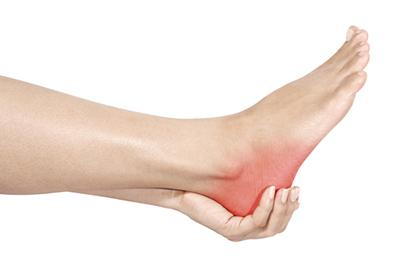
At Franklin Foot Care, serving Franklin, Milford, and Dennis, MA, and Woonsocket and Burrillville, RI, we help patients sort out heel pain causes so treatment targets the true source. Many people refer to plantar fasciitis and heel spurs interchangeably, but they describe different conditions. Plantar fasciitis involves inflammation and strain of the plantar fascia, the large ligament on the bottom of the foot that supports the arch and connects the heel bone to the toes. A heel spur is a kind of growth on the foot itself.
What Plantar Fasciitis Is
Plantar fasciitis develops from overuse and repeated strain on the plantar fascia. When strain continues, small tears can form within the ligament, leading to pain and swelling. Many patients describe burning, stabbing, or aching pain near the heel, often on the inside of the heel. Pain commonly feels worst in the morning because the plantar fascia tightens during sleep. As symptoms progress, pain can worsen throughout the day and sometimes shift toward the outside of the heel when you unconsciously offload the painful side by walking on the outer border of the foot.
What A Heel Spur Is
A heel spur is a bony growth that can form at the heel bone. A spur can appear because repeated pressure and tearing occur where the plantar fascia inserts into the calcaneus. In other words, a heel spur can develop as a response to long-term stress at that attachment point. The key point is that the spur reflects chronic strain, while plantar fasciitis describes the inflamed and painful soft-tissue condition that often drives symptoms.
Why These Conditions Overlap
Plantar fasciitis and heel spurs commonly show up together because they share the same stress pathway. Overuse and poor mechanics irritate the plantar fascia, and prolonged stress at the insertion site can contribute to spur formation. That overlap makes diagnosis important, since effective care depends on identifying what tissue is causing pain, not only what an X-ray might show.
What Causes Heel Pain in The First Place
We look for the specific factors that strain the arch and heel. Common contributors include excessive pronation or flat feet, high arches, running or walking on hard surfaces, worn-out footwear, higher body mass index, and a tight Achilles tendon. Pregnancy and frequent use of flat shoes with inadequate support can also increase strain.
How We Treat Plantar Fasciitis and Related Heel Pain
We tailor care to your exam findings and daily demands. Treatment options can include rest, proper shoe wear, stretching, icing, night splints, strappings, anti-inflammatory medications, corticosteroid injections, and physical therapy. We may use X-rays when needed to rule out other contributors to pain. Custom orthotics often provide the most effective non-surgical support because they reduce strain on the plantar fascia while supporting the arch during walking.
Schedule an Evaluation for Heel Pain
If plantar fasciitis symptoms limit your routine, call Franklin Foot Care in Franklin, MA at (508) 528-2525, in Milford, MA at (508) 473-3338, in Dennis, MA at (508) 385-7126, in Woonsocket, RI at (401) 769-5011, or in Burrillville, RI at 401-568-9980 to schedule an appointment. We will identify whether plantar fasciitis, a heel spur, or another issue drives your pain and build a plan that supports comfortable movement.
- posted: Mar. 02, 2026
At Franklin Foot Care, serving Franklin, Milford, and Dennis, MA, and Woonsocket and Burrillville, RI, we help patients sort out heel pain causes so treatment targets the true source. Many people refer to plantar fasciitis and heel spurs interchangeably, but they describe different conditions. Plantar fasciitis involves inflammation and strain of the plantar fascia, the large ligament on the bottom of the foot that supports the arch and connects the heel bone to the toes. A heel spur is a kind of growth on the foot itself.
What Plantar Fasciitis Is
Plantar fasciitis develops from overuse and repeated strain on the plantar fascia. When strain continues, small tears can form within the ligament, leading to pain and swelling. Many patients describe burning, stabbing, or aching pain near the heel, often on the inside of the heel. Pain commonly feels worst in the morning because the plantar fascia tightens during sleep. As symptoms progress, pain can worsen throughout the day and sometimes shift toward the outside of the heel when you unconsciously offload the painful side by walking on the outer border of the foot.
What A Heel Spur Is
A heel spur is a bony growth that can form at the heel bone. A spur can appear because repeated pressure and tearing occur where the plantar fascia inserts into the calcaneus. In other words, a heel spur can develop as a response to long-term stress at that attachment point. The key point is that the spur reflects chronic strain, while plantar fasciitis describes the inflamed and painful soft-tissue condition that often drives symptoms.
Why These Conditions Overlap
Plantar fasciitis and heel spurs commonly show up together because they share the same stress pathway. Overuse and poor mechanics irritate the plantar fascia, and prolonged stress at the insertion site can contribute to spur formation. That overlap makes diagnosis important, since effective care depends on identifying what tissue is causing pain, not only what an X-ray might show.
What Causes Heel Pain in The First Place
We look for the specific factors that strain the arch and heel. Common contributors include excessive pronation or flat feet, high arches, running or walking on hard surfaces, worn-out footwear, higher body mass index, and a tight Achilles tendon. Pregnancy and frequent use of flat shoes with inadequate support can also increase strain.
How We Treat Plantar Fasciitis and Related Heel Pain
We tailor care to your exam findings and daily demands. Treatment options can include rest, proper shoe wear, stretching, icing, night splints, strappings, anti-inflammatory medications, corticosteroid injections, and physical therapy. We may use X-rays when needed to rule out other contributors to pain. Custom orthotics often provide the most effective non-surgical support because they reduce strain on the plantar fascia while supporting the arch during walking.
Schedule an Evaluation for Heel Pain
If plantar fasciitis symptoms limit your routine, call Franklin Foot Care in Franklin, MA at (508) 528-2525, in Milford, MA at (508) 473-3338, in Dennis, MA at (508) 385-7126, in Woonsocket, RI at (401) 769-5011, or in Burrillville, RI at 401-568-9980 to schedule an appointment. We will identify whether plantar fasciitis, a heel spur, or another issue drives your pain and build a plan that supports comfortable movement.
This website includes materials that are protected by copyright, or other proprietary rights. Transmission or reproduction of protected items beyond that allowed by fair use, as defined in the copyright laws, requires the written permission of the copyright owners.
-
Franklin Foot Care of Rhode Island - Woonsocket Office
Franklin Foot Care of Rhode Island - Woonsocket Office
-
Franklin Foot Care of Rhode Island - Burrillville Office
Franklin Foot Care of Rhode Island - Burrillville Office
Hours of Operation
Monday
8:00 am - 4:00 pm
Tuesday
6:30 am - 4:00 pm
Wednesday
8:00 am - 4:00 pm
Thursday
8:00 am - 4:00 pm
Friday
8:00 am - 1:00 pm
Saturday
Closed
Sunday
Closed
